



Painstakingly manufactured with 67-layered stainless Damascus steel, the 7" Japanese Nakiri knife is the ultimate nakiri vegetable knife. Regardless of what you want to do–slice, chop, mince, you name it—it gets the job done flawlessly and effortlessly. The gorgeous herringbone pattern on the base of the tang unveils the stunning craftsmanship and the nakiri knife's luxurious identity.


32% off

7" Nakiri Knife VG-10 Damascus Steel | Shogun Series
$49.99 USD
$73.99
Order Now for Estimated Delivery in 3–7 Days.
Why you need Japanese Nakiri Knife?
Specifications
What's Included


HIGH-PERFORMANCE
STAINLESS DAMASCUS STEEL
Manufactured with ultra-premium 67-layered stainless Damascus steel at HRC 58-60 hardness. The cobalt added steel outperforms AUS-10 steel in durability and is easier to sharpen, since cobalt enhances the other alloying elements.


KYOKU SPIRITS
Kyoku draws from the samurai's legacy, creating affordable high-end Japanese cutlery for chefs and home cooks worldwide with a passion for culinary creativity.
Discover Shogun Series

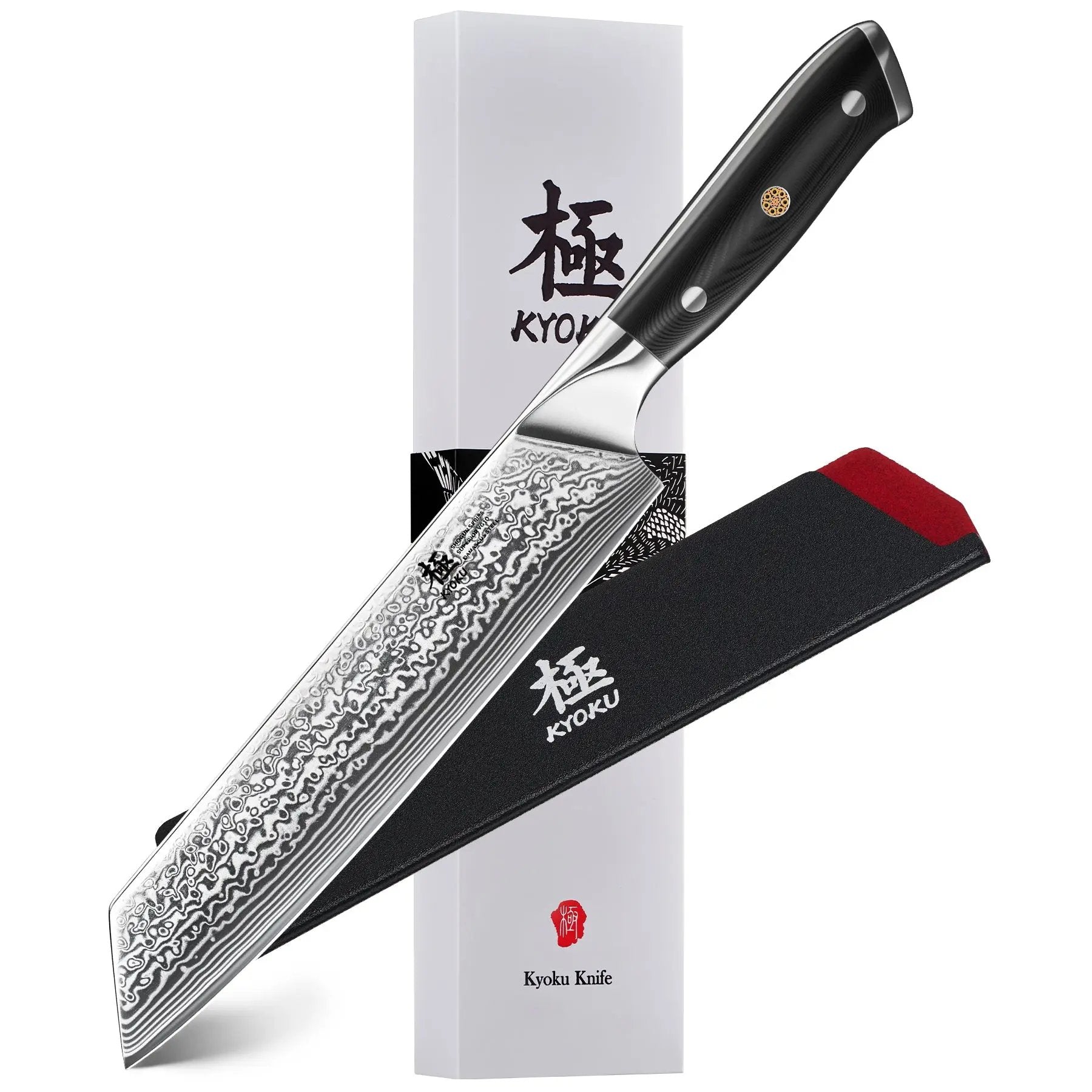
8.5" Kiritsuke Knife VG10 Damascus Steel | Shogun Series
$39.99 USD
$79.99

7" Boning Knife VG-10 Damascus Steel | Shogun Series
$29.99 USD
$59.99
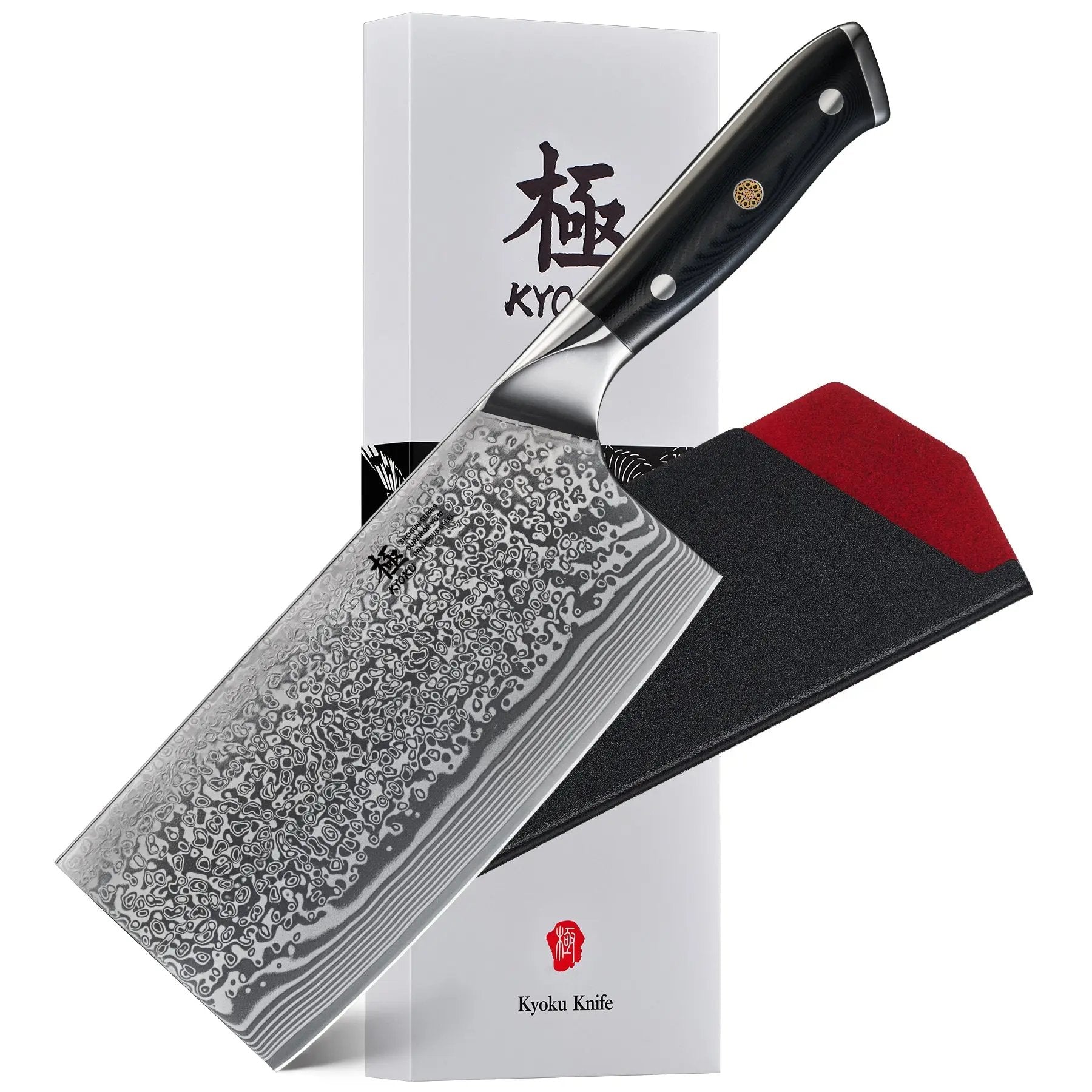
7" Cleaver Knife VG-10 Damascus Steel | Shogun Series
$79.19 USD
$119.00
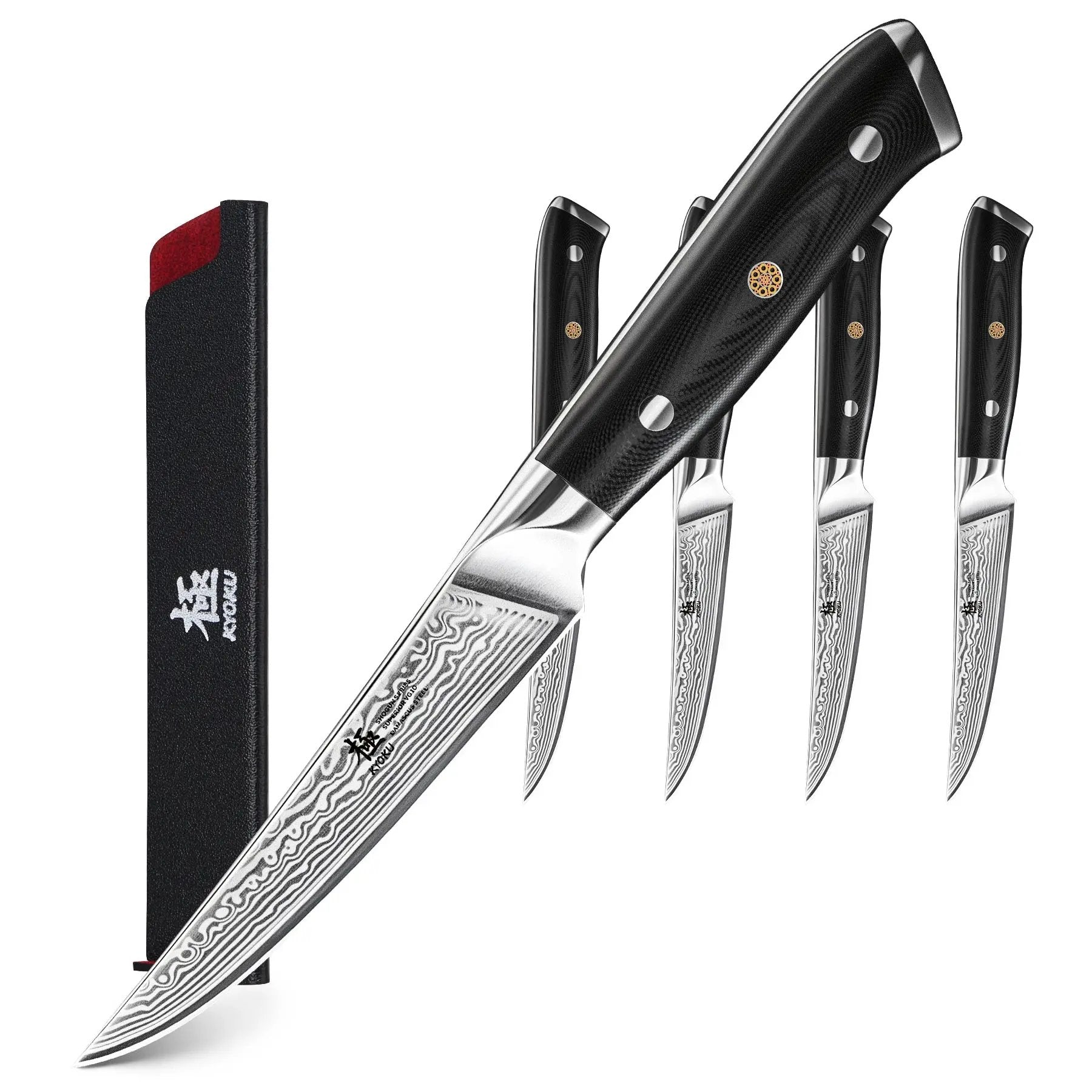
4pc Non-Serrated VG10 Damascus Steel Steak Knife Set | Shogun Series
$97.99 USD
$173.99
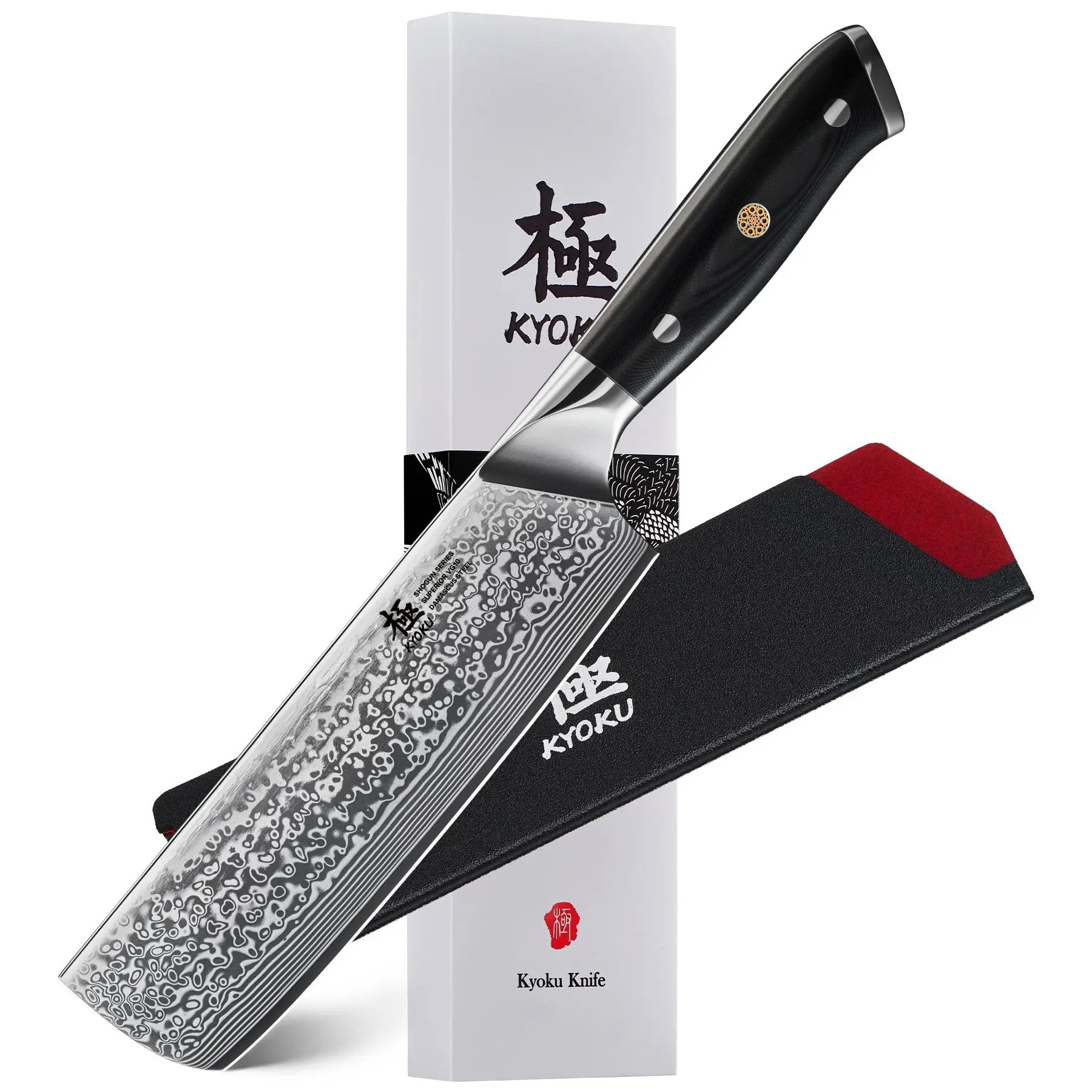
7" Nakiri Knife VG-10 Damascus Steel | Shogun Series
$49.99 USD
$73.99
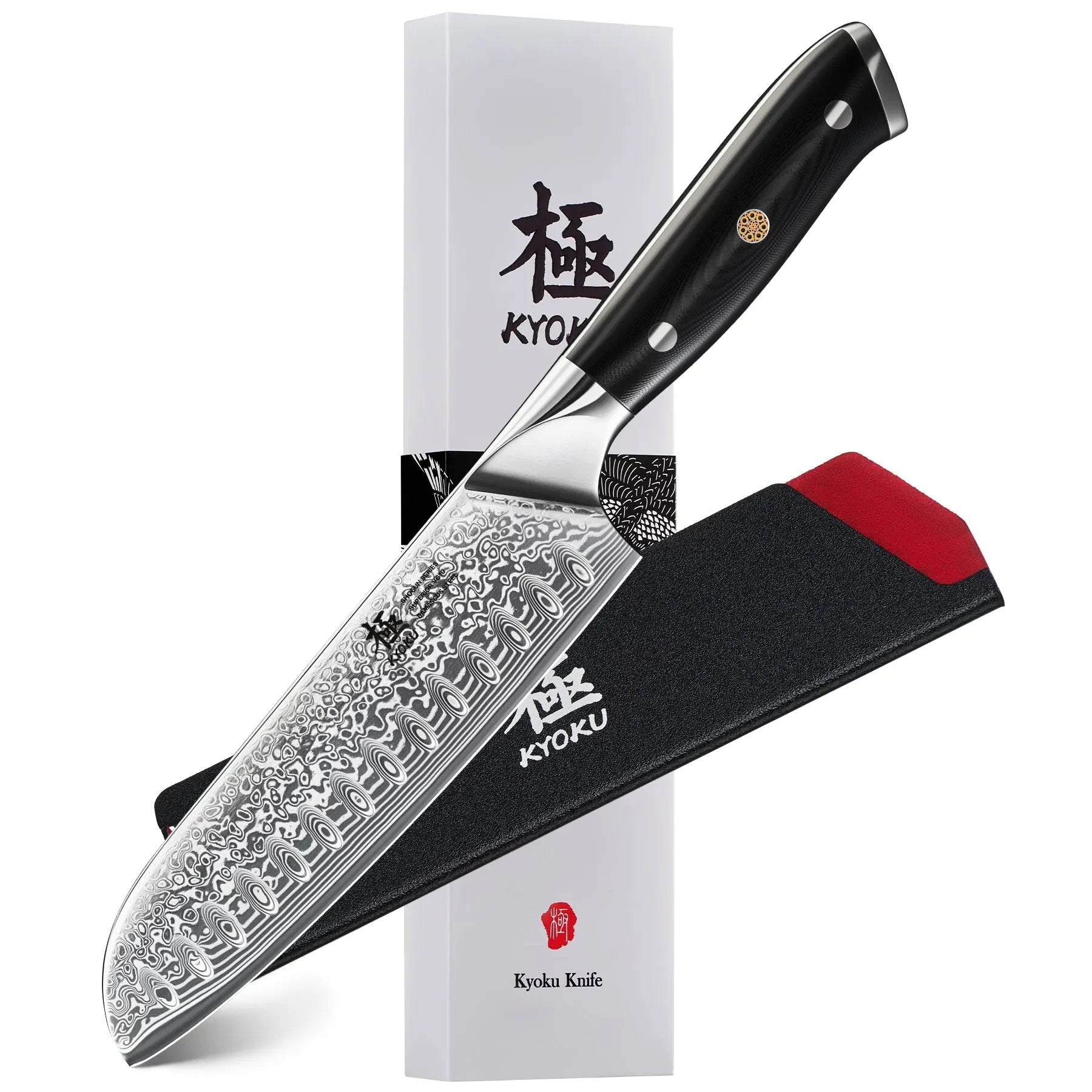
7" Japanese Santoku Knife Damascus VG10 | Shogun Series
$54.99 USD
$99.99
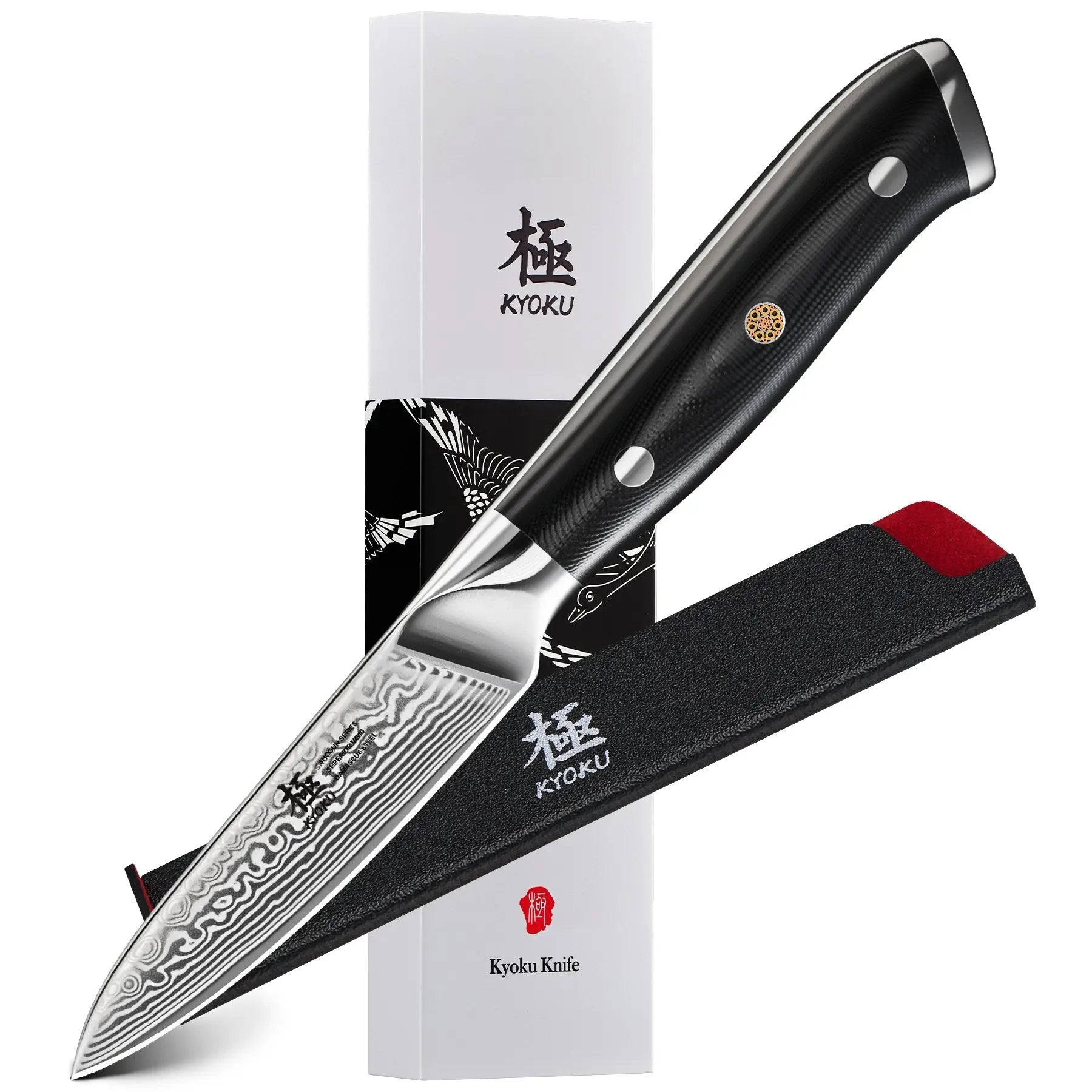
3.5" Damascus Paring Knife | Shogun Series
$29.99 USD
$45.99
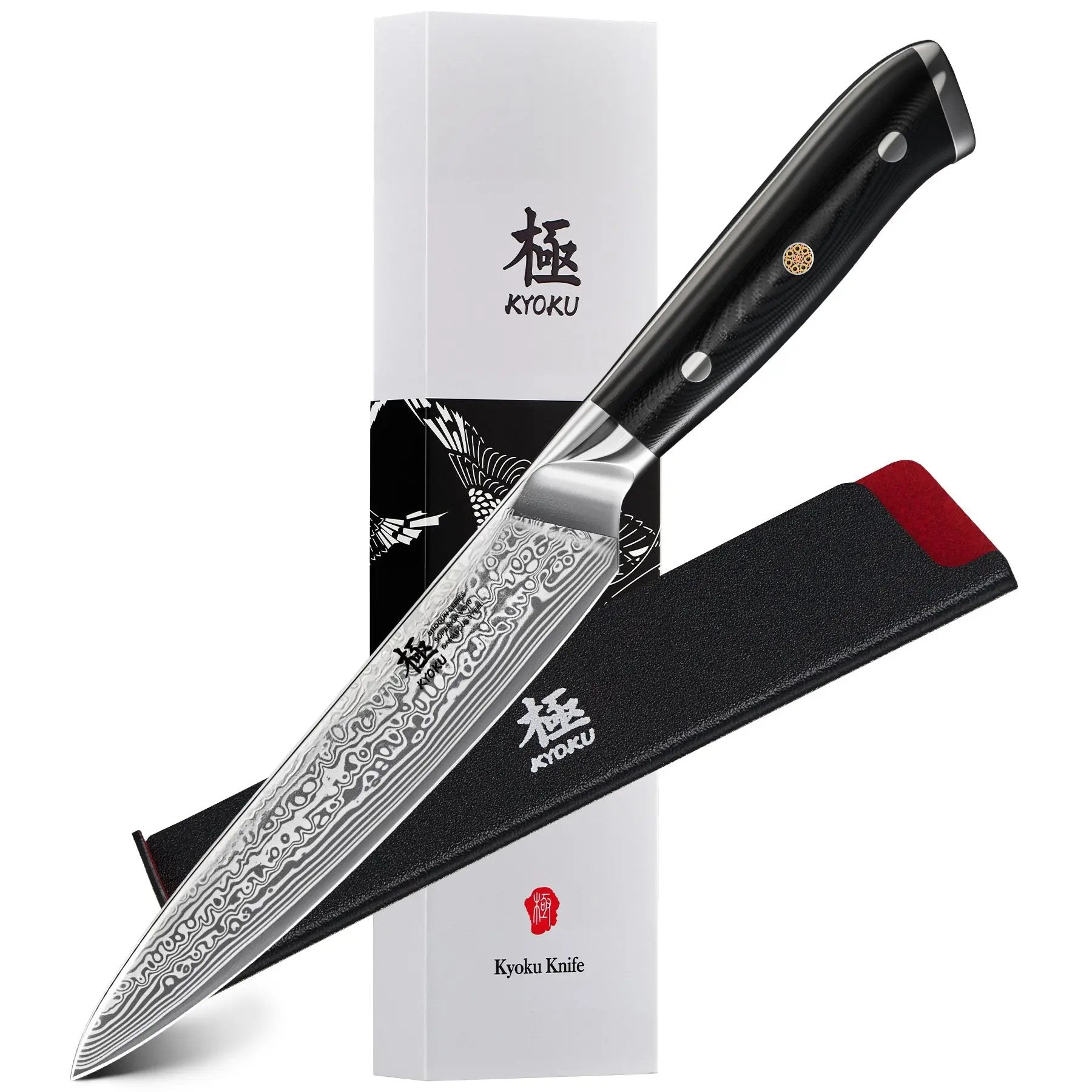
6" Utility Knife VG10 Damascus Steel | Shogun Series
$23.99 USD
$49.99
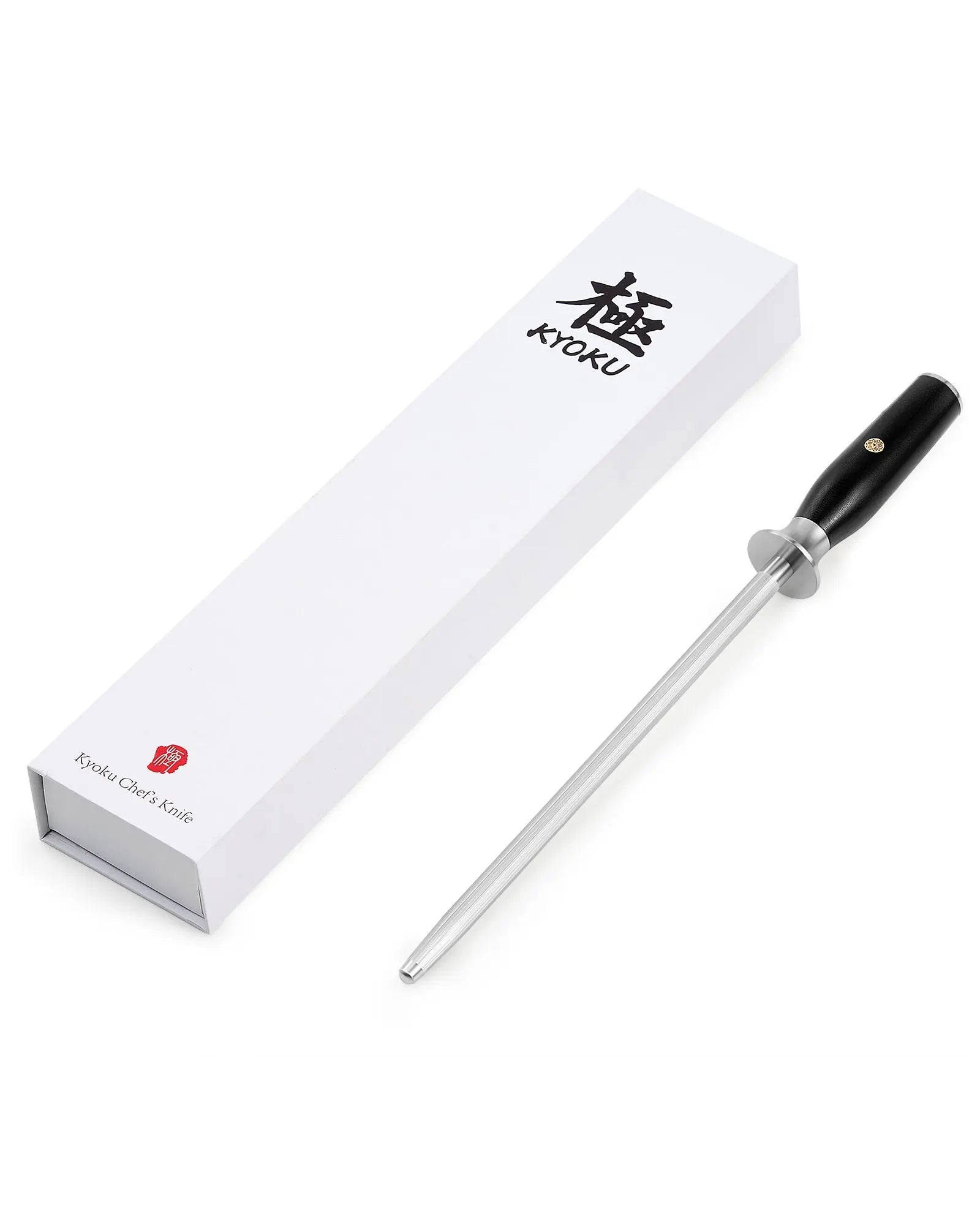
10" Honing Steel Knife Sharpener | Shogun Series
$28.99 USD
$49.99
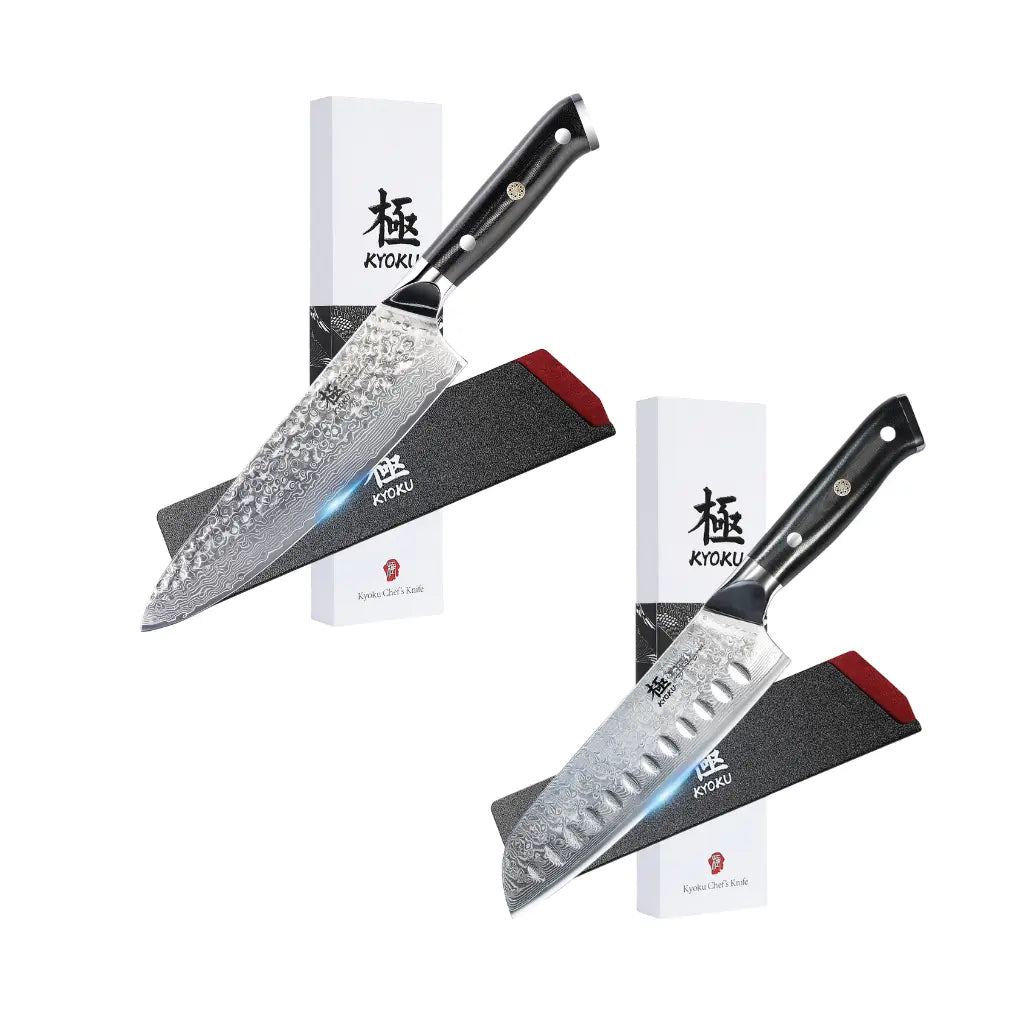
Bundle For All-Purpose Kitchens, Chef Knife + Santoku Knife| Shogun Series
$114.98 USD
$154.98
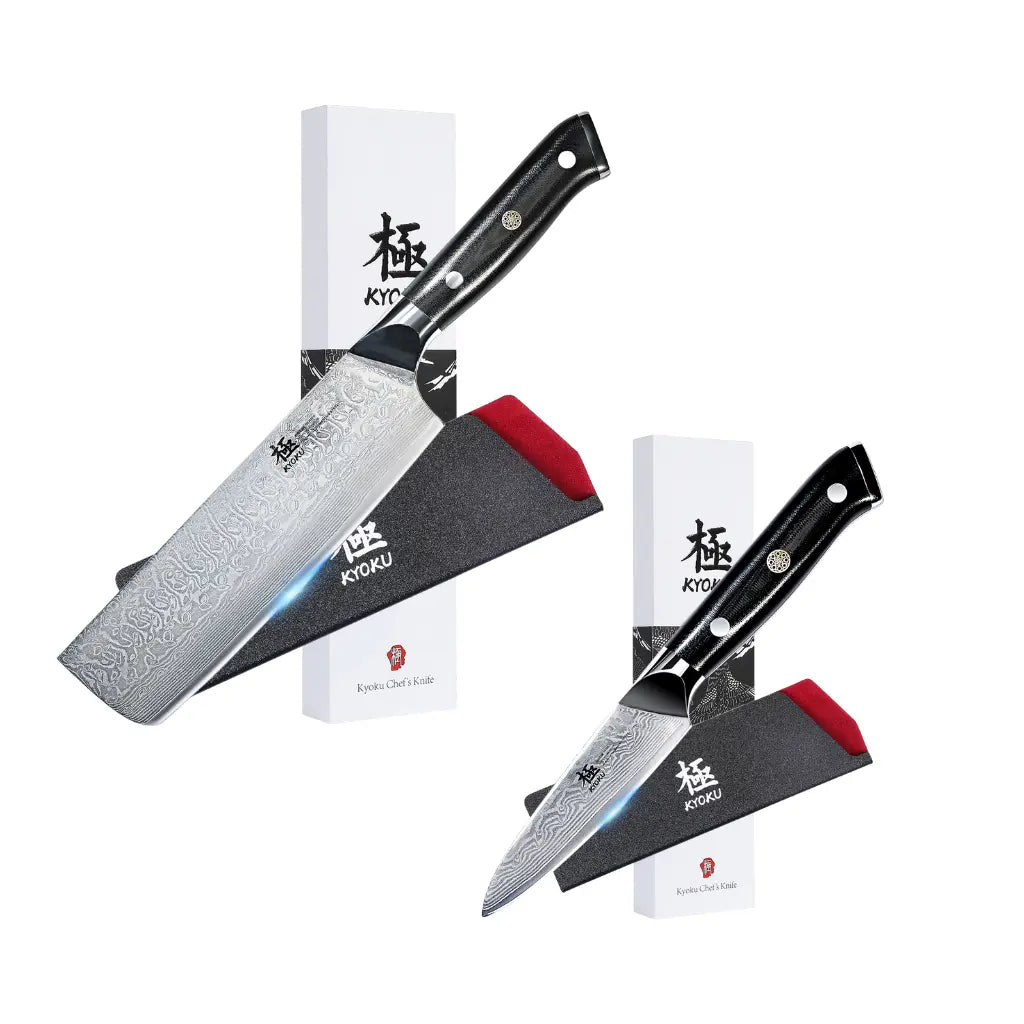
Bundle For Fresh Eaters, Nakiri Knife+ Paring Knife| Shogun Series
$87.98 USD
$103.98
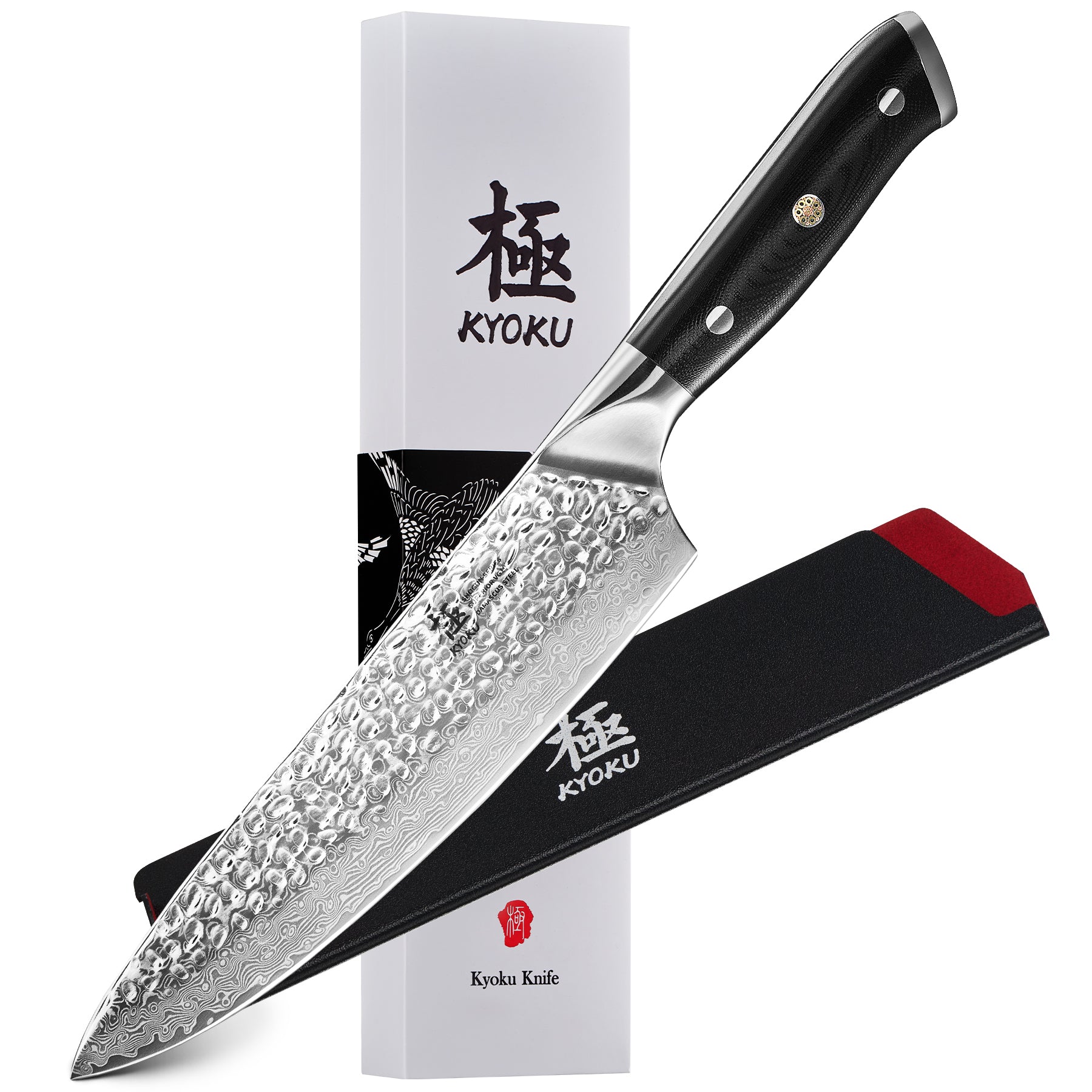
8" Chef Knife VG10 Damascus Blade Steel | Shogun Series
$49.99 USD
$169.99
FAQS
What materials are used in the Kyoku Shogun nakiri knife?
The knives are made from 67 layers of Damascus steel with a Japanese VG10 steel cutting core.
What makes the edge of the Shogun nakiri knife precise and durable?
The VG10 steel cutting core provides a precise edge that remains reliable through years of use.
What types of cutting tasks are the Japanese nakiri knives suitable for?
Optimized for chopping, slicing, and dicing vegetables like carrots, cabbage, and potatoes.
Why should I choose the Kyoku Shogun nakiri knife for my kitchen?
Tailored for vegetable enthusiasts and plant-based cooks who prioritize clean, straight cuts. Choose the Shogun Knife Series for its exceptional craftsmanship, precise edge, and versatile performance, making it a valuable addition to any culinary toolkit.
Blog posts
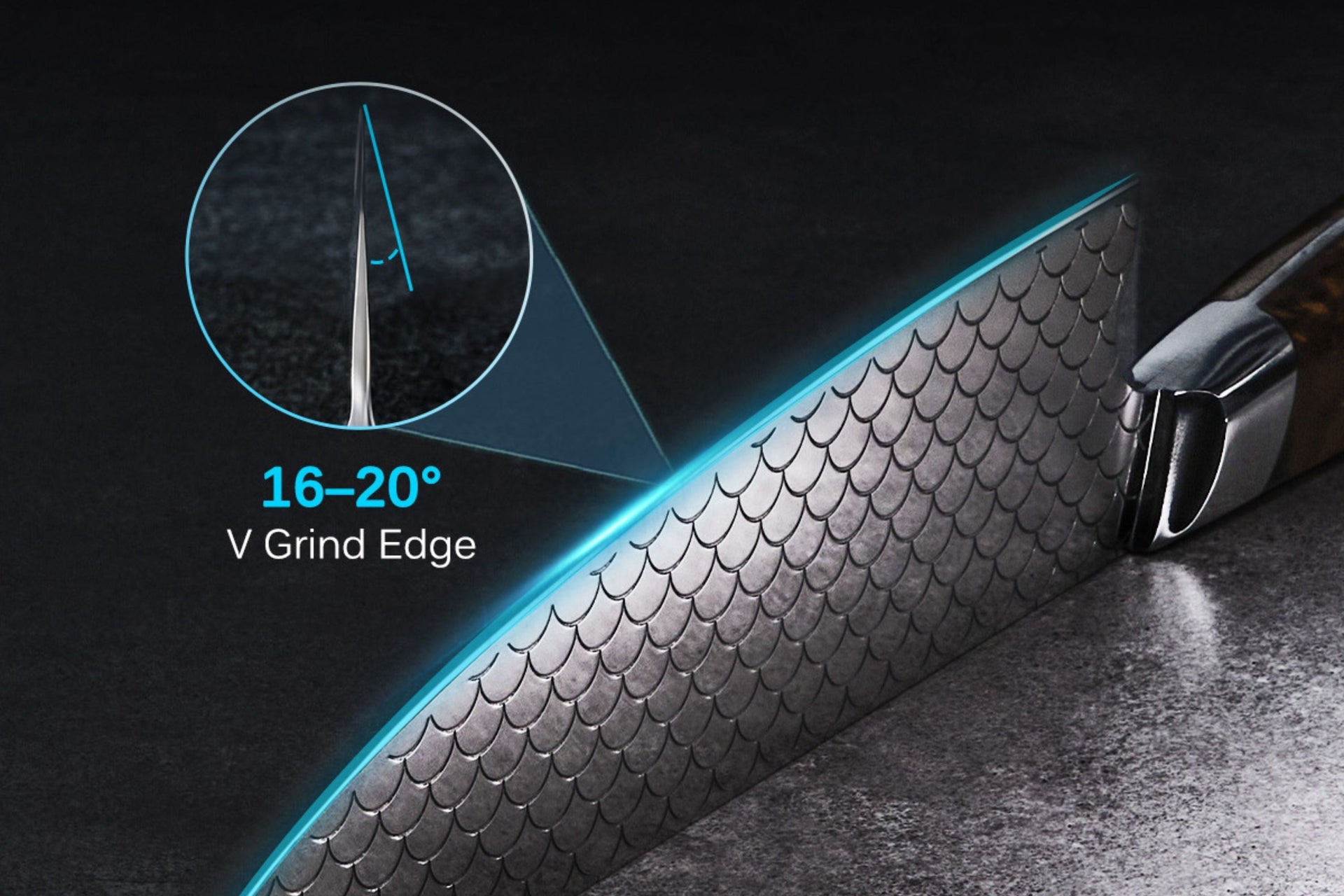
15 vs 20 Degree Knife Edge: Which Angle Is Right for You?
Compare 15° and 20° knife edges to understand the difference in sharpness, durability, and edge retention, plus a step-by-step guide to sharpening Japanese knives.
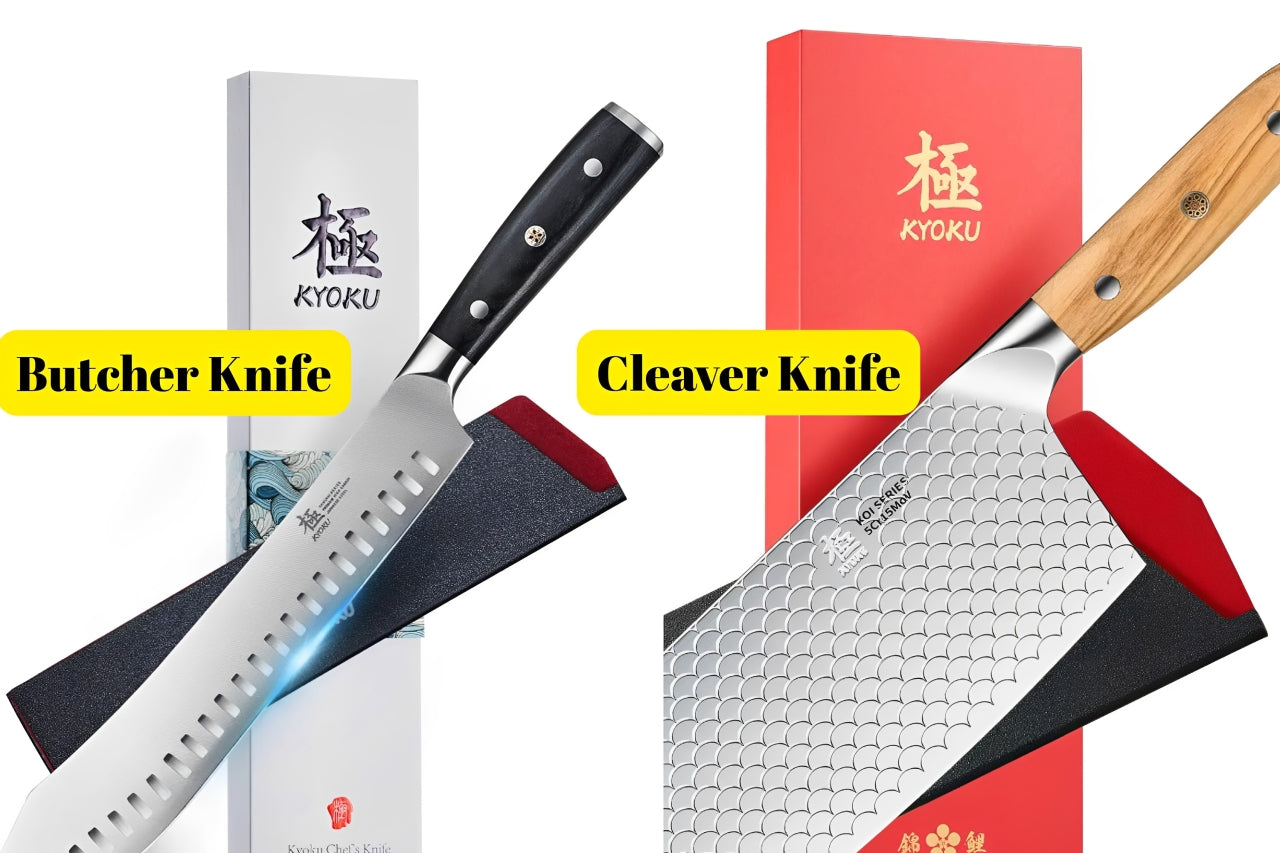
Cleaver Knife vs Butcher Knife: What's the Difference?
This blog explains the key differences between cleaver knives and butcher knives. Cleaver knives are built for bone. Butcher knives are built for boneless meat. Learn how these two knives differ in weight, edge angle, blade shape, and best uses, and when you need both.
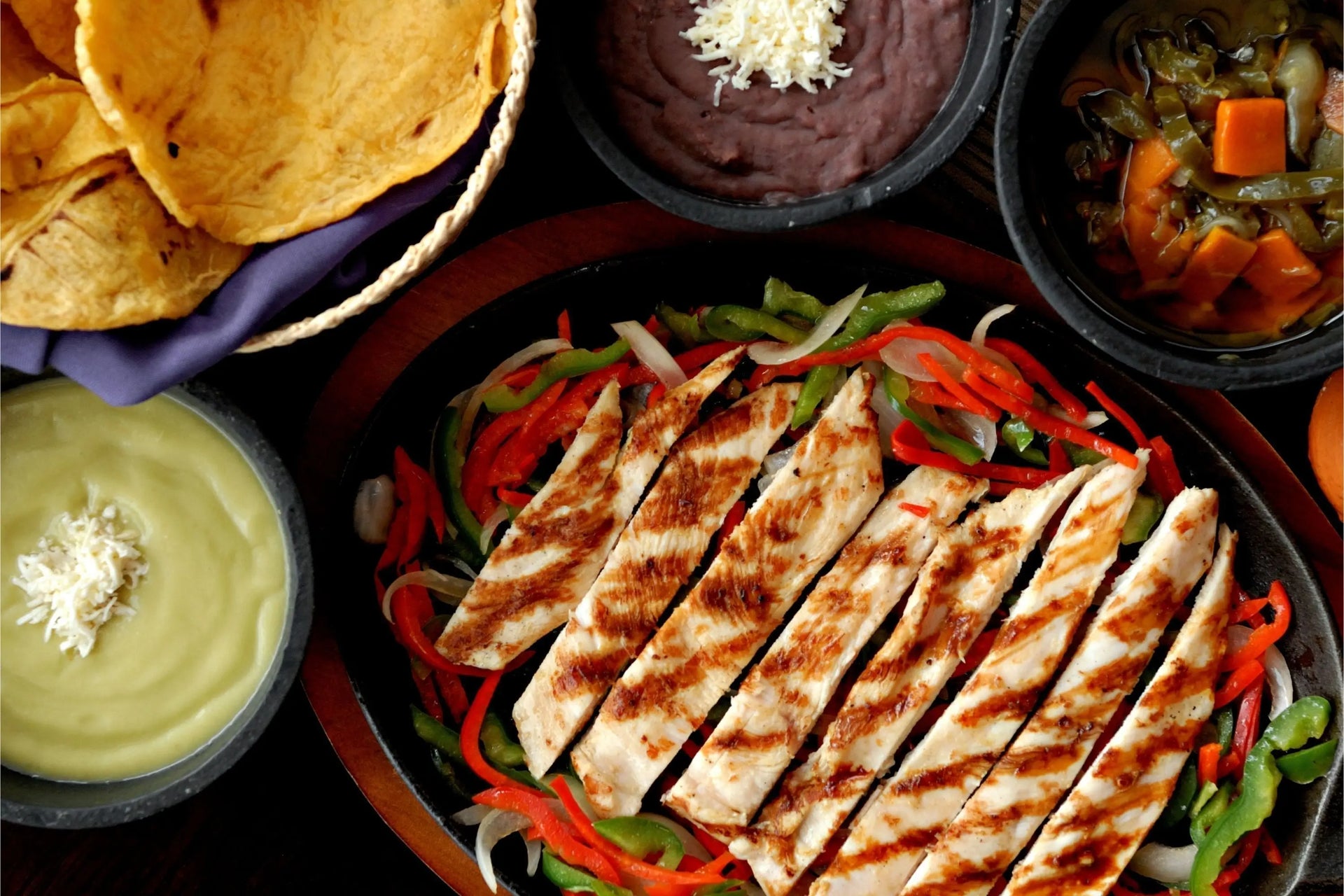
How to Cut Flank Steak for Fajitas
Learn how to cut flank steak for fajitas the right way. Discover step-by-step slicing techniques, why cutting against the grain matters, the best knives to use, and tips for tender, restaurant-quality fajita strips.
